

Refinancing
Cash-out refinance
The right tool when you need a meaningful lump sum and your current rate is not something you are desperate to protect. We are candid about when a HELOC is the better answer.
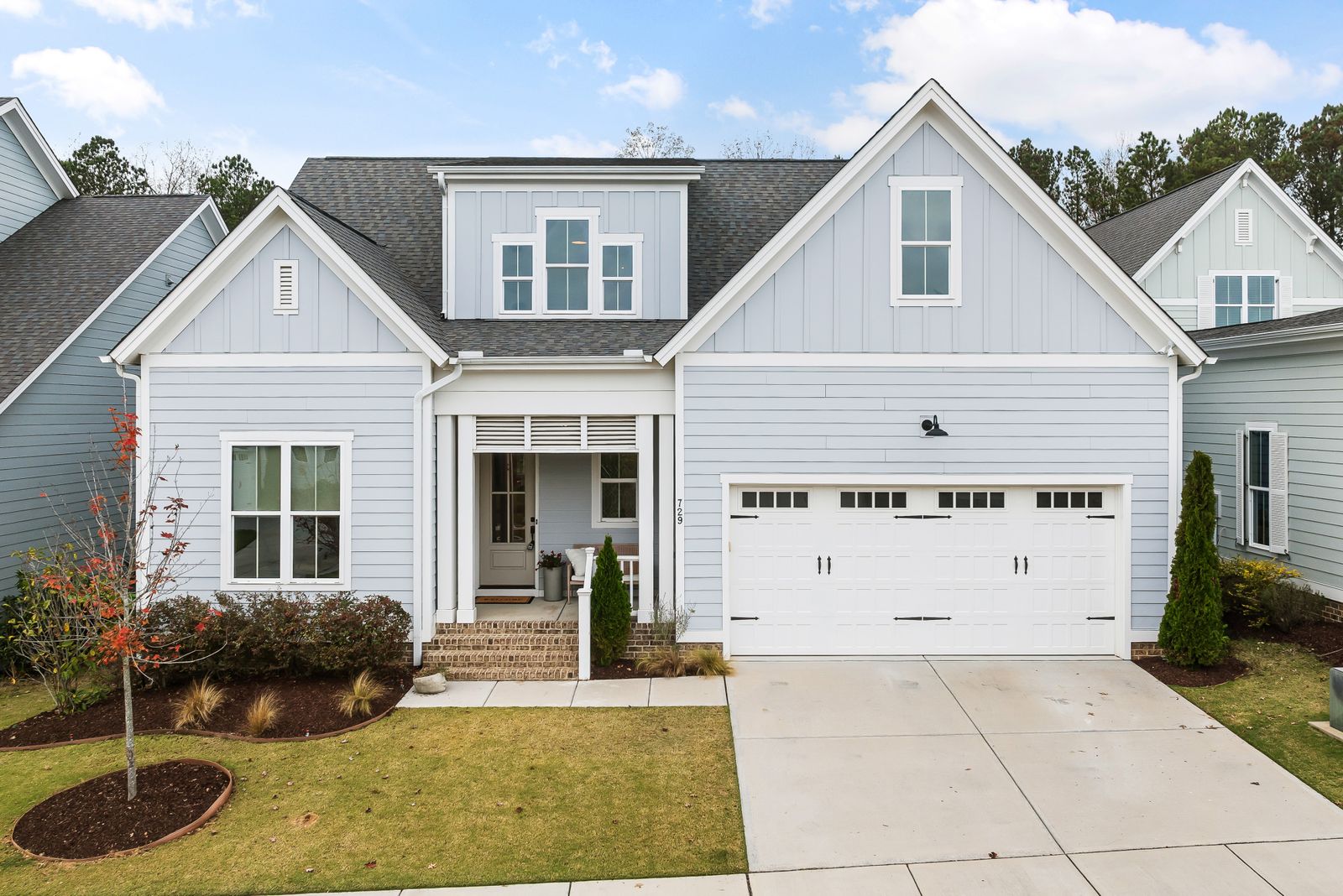
How the cash-out refinance works
A cash-out refinance pays off your current mortgage and writes a new, larger one. The difference between the two, minus closing costs, comes to you as a wire or a check at the closing table.
Most conventional cash-out loans require you to retain 20% equity. On a home appraised at $500,000 with a $260,000 balance, that means a new loan up to $400,000 and roughly $135,000 available after costs.
The honest trade-off: if your existing rate is low, replacing the entire balance to access equity can be expensive. In that case a HELOC that leaves the first mortgage alone is usually the smarter structure, and we will say so.
What you get with us
Not program features. The things our office does on every file of this type.
Side-by-side against a HELOC
Every cash-out quote comes with a HELOC alternative so you can see both total costs.
Debt consolidation modeling
We total what you are paying now across cards and auto loans versus the new single payment.
Renovation budgeting
If the cash is for a project, we help size the draw so you are not refinancing twice.
Full appraisal
Cash-out files require a real valuation, and a higher appraised value directly increases your available cash.
Tax note, not tax advice
We flag which uses of the money may affect deductibility and point you to your CPA.
Twelve-month seasoning check
We confirm you have owned the home long enough to qualify before you plan around the funds.
Step by step
Six stages, and what each one actually asks of you.
Goal and amount
What the money is for, and how much you actually need. Those are different numbers more often than you would think.
Equity estimate
We pull recent comparable sales in your neighborhood to estimate the appraisal before you apply.
Application and lock
Standard refinance application, with the cash amount built into the loan sizing.
Appraisal
A full interior appraisal. We suggest what to tidy and which improvements to list for the appraiser.
Underwriting
Reserves and debt ratio are reviewed against the new, larger payment.
Closing and funding
Sign, wait out the three-day rescission period, then the funds are wired.

Why people choose it
Large lump sum
Access six figures of equity on many metro Atlanta homes.
Mortgage-rate pricing
Far below credit card or personal loan rates.
One payment
Consolidate several balances into a single monthly amount.
Fund the renovation
Pay for the kitchen or the addition without a construction loan.
What moves your pricing
Six levers underwriting actually looks at. Two of them you can change before you apply.
| Factor | How it affects you |
|---|---|
| Appraised value | Drives everything. A higher value means more available cash. |
| Equity retained | Most programs require 20% to remain after the cash out. |
| Existing rate | Giving up a very low rate on the whole balance is the real cost. |
| Credit score | Cash-out pricing is more score-sensitive than a rate and term refinance. |
| Debt-to-income | Calculated on the new, higher payment. |
| Occupancy | Primary residences get the best cash-out pricing and the highest limits. |
Programs people compare this with
- Home equity line of creditA revolving line against your equity that leaves your first mortgage exactly where it is.Compare
- Rate and term refinanceReplace your current loan with a better rate, a shorter term, or both. No cash out.Compare
- Conventional loanThe workhorse loan for buyers with steady income and reasonable credit. Down payments start at 3%.Compare
Questions about this program
Take 80% of the appraised value, subtract your current balance, then subtract closing costs. On a $500,000 home with a $260,000 balance that is roughly $135,000 (sample figure).
If your current rate is well below today's market, a HELOC usually wins because it leaves the first mortgage untouched. If your current rate is at or above market, a cash-out refinance is often cheaper overall.
Legally yes. Practically, we ask, because the answer sometimes points to a better product. Consolidating 24% credit card debt is a great use. Funding a vacation is not.
Only the portion used to buy, build or substantially improve the home may be deductible under current rules. Ask your CPA. We are not tax advisors.

Magnolia Lending Group
Ready to look at a cash-out refinance?
A pre-approval takes about four minutes to start and one business day to issue. No cost and no obligation.
Free consultation. Sample rates and assistance amounts shown on this site are illustrations, not offers.